Skip to content
Book a Consultation
(269) 759-3700 info@hhsoha.com South Haven, Michigan
Home  /  Our Work

Our venues are the case studies.

One we bought and rebuilt. One we opened, then doubled by putting a second business inside it. Two states, two models, both still running on our own balance sheet. Everything we sell was proved in one of these buildings first.

Case study 01

Lakeside Social

South Haven, Michigan  ·  Acquisition, reposition, operate

A bowling center that had operated on Blue Star Memorial Highway since 1987, in a resort town whose population multiplies in summer and thins to a few thousand in February. Good bones, loyal leagues, and a business model that had not been rethought in three decades.

We acquired it, kept what the community was attached to, and rebuilt everything around it into a five-revenue-center venue that works in January as well as it works in July.

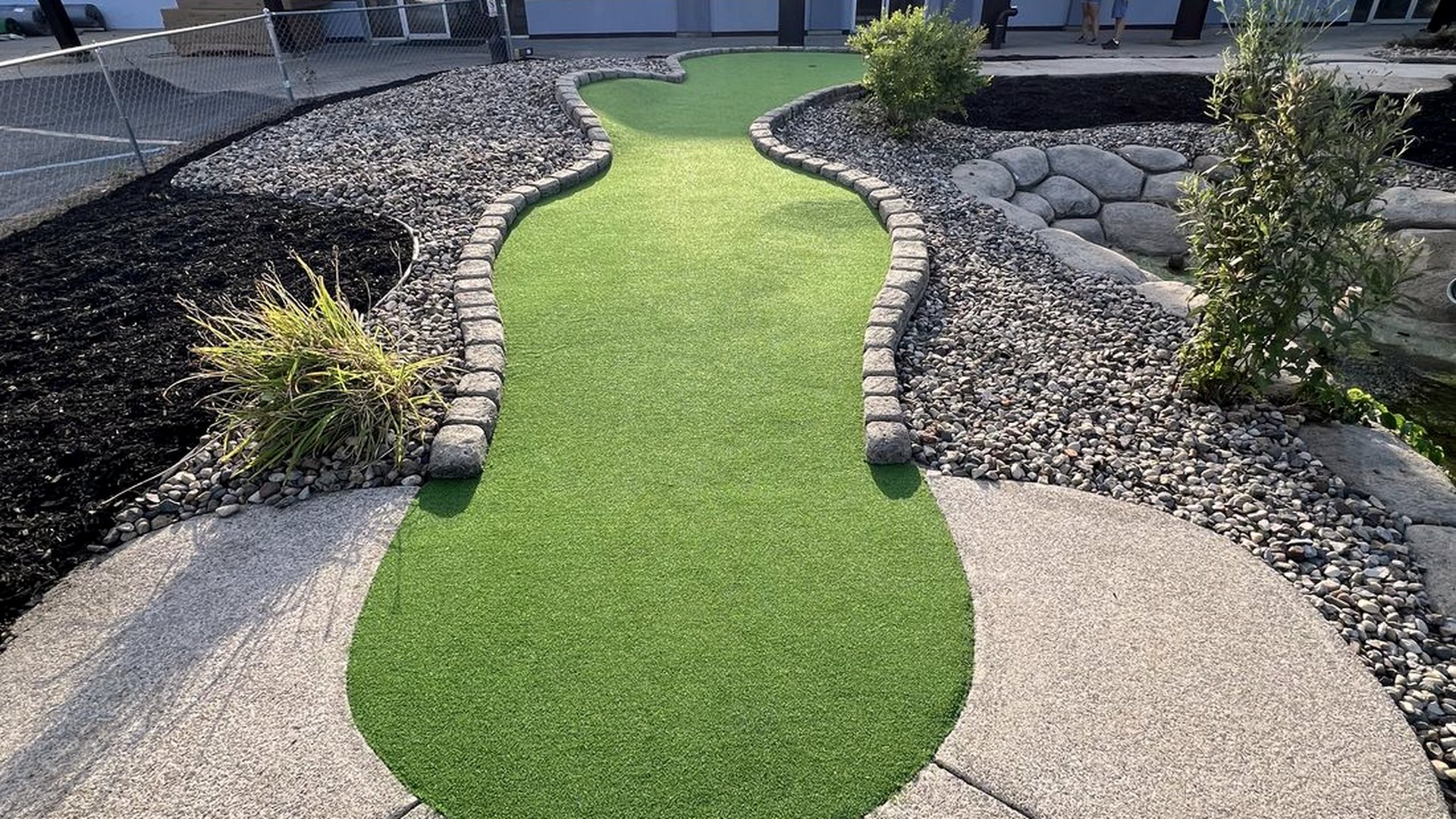
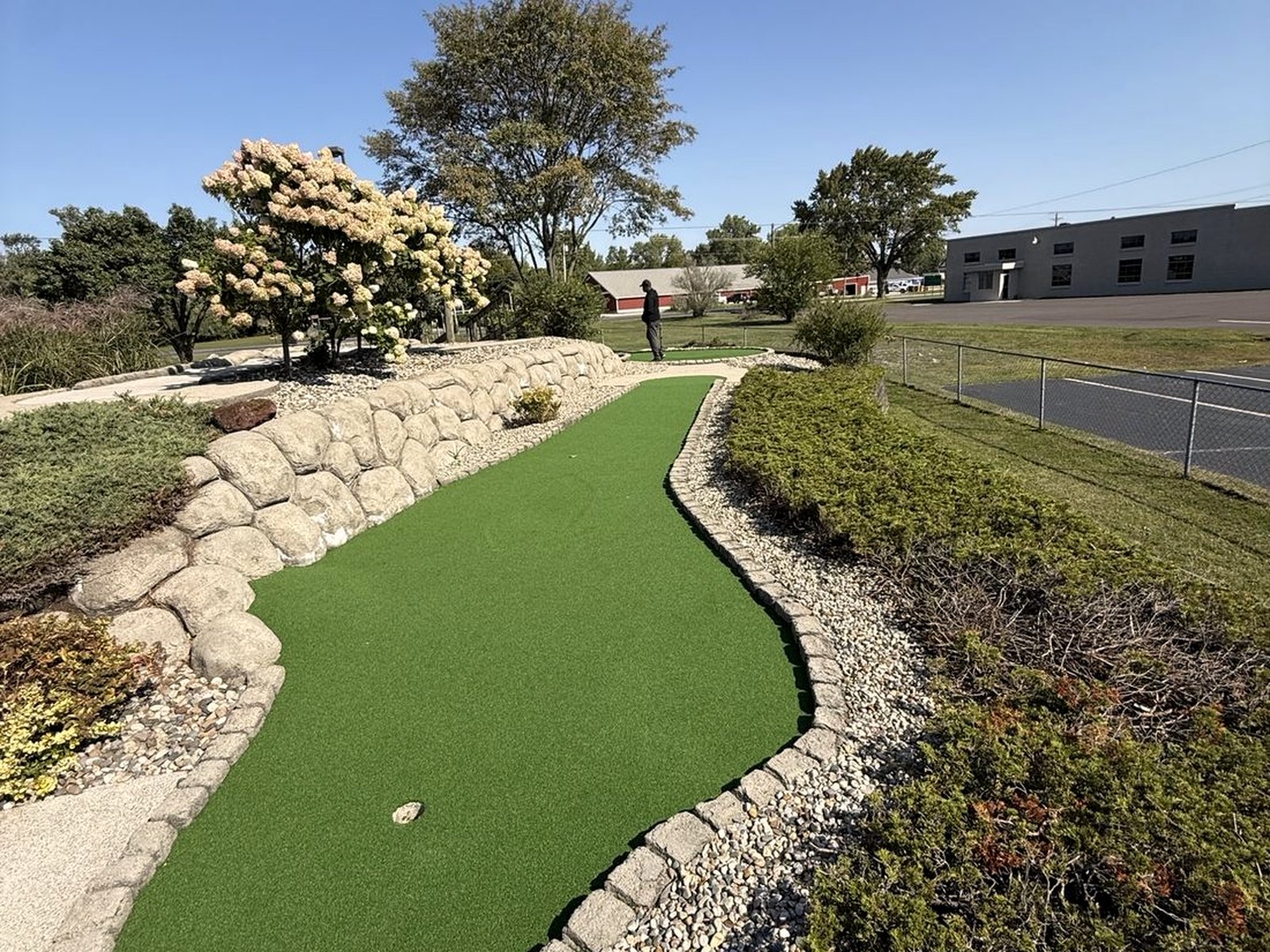
The mini golf course and main building at Lakeside Social, South Haven, Michigan
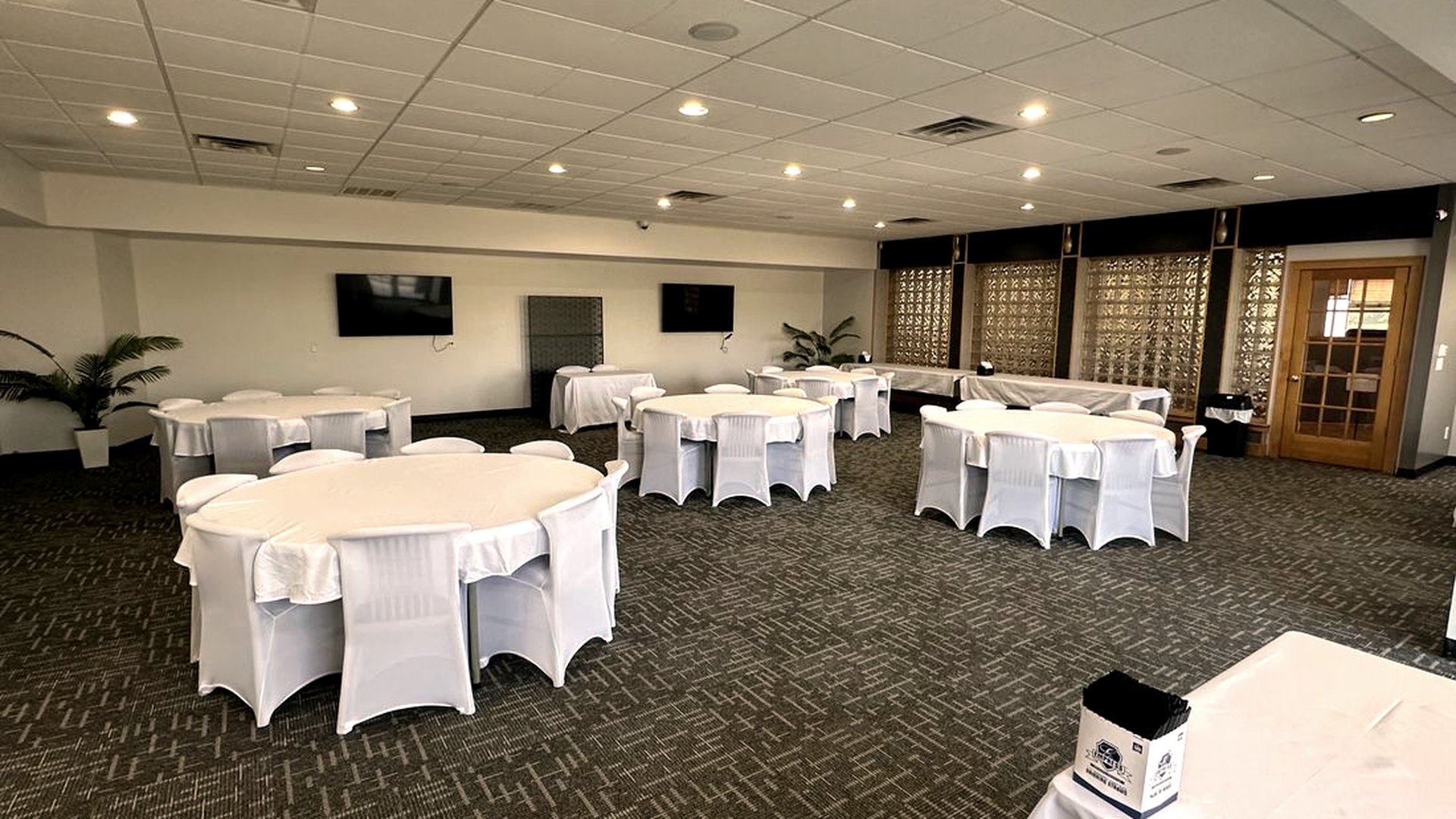
The banquet room at Lakeside Social set with round tables for a private event
1987Original opening year. Continuously operating, now under Haven Hospitality ownership and management.
5Revenue centers: bowling, mini golf, karaoke, food and beverage, and private events.
10Bowling lanes with automatic scoring, retractable bumpers, and programmable lighting.
18Hole outdoor mini golf course, adding a summer daypart the building never had.
The problem

A summer business paying twelve months of overhead

Resort-town hospitality lives or dies on what happens between Labor Day and Memorial Day. The venue had a single primary attraction, a food offering treated as an afterthought, no organized group or event sales function, and a marketing presence that amounted to a phone number. Demand arrived in June and left in August. Fixed costs did not.
The thesis

Stack revenue centers, then sell the room

Add attractions that draw in bad weather. Turn food and beverage from a concession stand into a reason to come. Build a banquet and group sales operation to capture the corporate, wedding, and league demand that had been leaving the market entirely. Then install the systems to actually run five businesses inside one building.

What we did

The reposition

  • Attraction stack. Weekly karaoke and an eighteen-hole outdoor mini golf course added around the existing ten lanes, spreading demand across weather, season, age, and group size. A private karaoke room, golf simulators, axe throwing, pool tables and darts are in build-out, each chosen to defend a specific soft daypart.
  • Food and beverage rebuild. A real kitchen and a real menu: hand-tossed pizza, fresh lake perch, made-to-order steaks, craft beer, and a cocktail program. Per-cap went from incidental to material.
  • Banquet and events. Dedicated event space and a group sales function targeting weddings, rehearsal dinners, corporate outings, showers, graduations, and league banquets in a market with limited alternatives.
  • Brand reposition. Renamed from Lakeside Entertainment to Lakeside Social, trademark filed, and repositioned from a bowling alley to a social destination. New identity, new site, new voice.
  • Operating systems. Booking pipeline, group sales workflow, missed-call text-back, reputation engine, loyalty program, and an owner dashboard, all built in-house and running live.
  • Seasonal calendar. Programming, leagues, and promotions engineered specifically to defend the shoulder seasons rather than compete for peak-summer traffic that was already coming.

What this venue taught us

Everything in the Haven Hospitality service catalog is downstream of running this building. The AI phone agent exists because we could not answer the phone on a Saturday. The booking pipeline exists because event inquiries were dying in an inbox. The labor dashboard exists because we did not know what a Friday cost until the following Wednesday. We did not productize theory. We productized our own fixes.

If it did not survive a Saturday night at Lakeside, it never made it into a client engagement.

Haven Hospitality operating standard
Case study 02

MidDay + Good Impressions

Dayton, Ohio  ·  Launch, license, second concept

MidDay opened on South Patterson Boulevard as a specialty coffee bar and gastro cafe. It worked. It also closed at three in the afternoon, against a lease that charges for the whole day. So we went back into the same building and put a second business inside it.

A liquor license, a gin-forward cocktail program, a small-bites menu and a set of strategic upgrades to the room later, the same address trades as Good Impressions from four in the afternoon. Two concepts, one lease, and a building that now earns from the first pour of coffee into the late evening. Both on the vision of Haven Hospitality partner Greg Innocent.

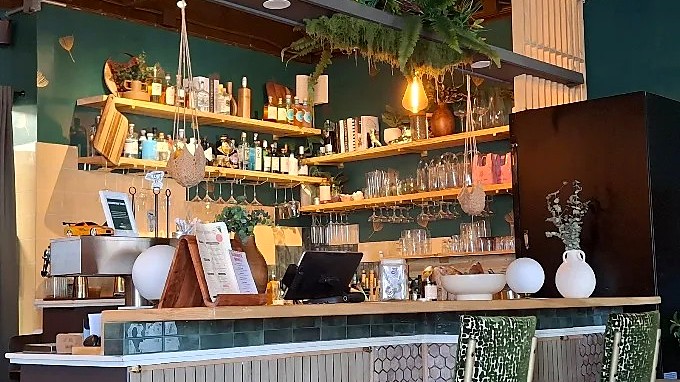
The bar at MidDay + Good Impressions, with espresso equipment below shelves of spirits and glassware
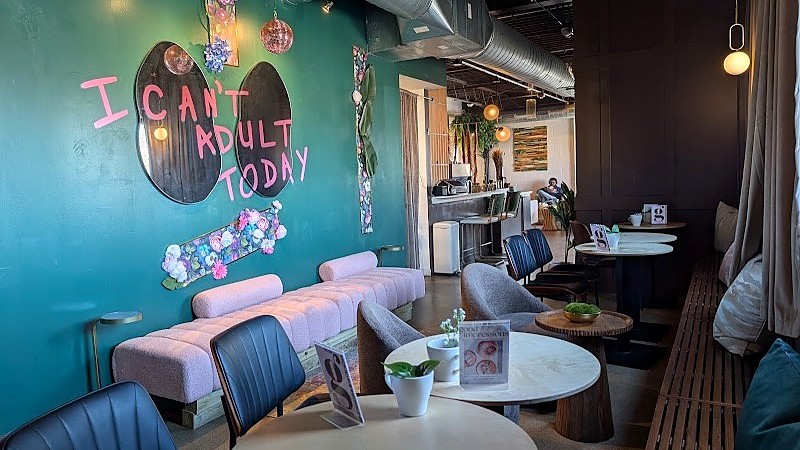
The lounge at MidDay + Good Impressions in Dayton, with a mural reading I can't adult today above a pink banquette
2Concepts and brands trading out of one lease, one kitchen, and one crew.
16Hours between the first coffee and last call, where the building used to earn for eight.
1Liquor license. Slow, unglamorous, and the thing the entire second concept turns on.
35Seats in Good Impressions, reached through an unmarked door on the side of the building.
The problem

A good business that closed at three

Independent coffee is a brutal format. Thin margins and a demand curve that collapses after eleven in the morning. MidDay was working, and it was working for eight hours a day against a lease, a kitchen and a build-out that cost the same for twenty-four. There is no version of a coffee menu that fills a Friday night.

The thesis

Do not extend the hours. Add a business.

A later-closing cafe is still a cafe, and nobody drives across Dayton for an eight o'clock latte. The move was a second concept with its own brand, its own license, its own margin structure and its own reason to exist, sharing the rent and the room. The coffee bar carries the morning. The cocktail bar carries the night.

What we did

The launch

  • The liquor license. Secured the license that made an evening concept legally possible. It is slow, it is unglamorous, and the entire second revenue stream turns on getting it right.
  • A cocktail program worth crossing town for. Gin-forward, built to be talked about rather than merely competent, including one drink that arrives with bubble solution and a wand. A bar that tastes like every other bar earns like every other bar.
  • Small bites, no second kitchen. An evening menu engineered to run out of the kitchen that was already there, so the food cost of the second concept did not come with a build-out attached.
  • Strategic upgrades to the room. Lighting, layout and finishes chosen so the same space reads as a bright cafe at nine in the morning and a dim cocktail bar at nine at night, without a nightly reset that eats labor.
  • A second brand, not a second menu. Naming, identity and positioning for Good Impressions as its own destination. Guests who would never think of it as "the coffee place at night" show up for the bar on its own terms.
  • The entrance as marketing. Good Impressions is reached through a blacked-out side door. That is a design decision and an acquisition channel: the way in is the thing people tell their friends about.

Why this one matters to a client

Most operators reading this already run a business that closes at three, or one that does not open until five. Half the lease sits idle and you pay for all of it. Putting a second concept into space you already hold is one of the highest-return moves available to an independent, and it is harder than it sounds: it is a licensing problem, a brand problem, a menu problem and a labor problem at the same time. We have done it, in our own building, with our own money.

It's coffee reimagined. People experience coffee connected to the people they encounter here.

Greg Innocent  ·  founder, MidDay + Good Impressions
The platform behind us

Equity Growth Partners

Haven Hospitality Collective is an operating company of Equity Growth Partners LLC, a Chicago-based private investment and operating firm founded in 2020 that pursues a Buy, Partner, Build strategy across the Midwest, Northeast, and Southeast.

That relationship is why a firm our size can put operations, technology, marketing, accounting, legal coordination, and capital behind a single client engagement. The disciplines already exist across the platform. Hospitality clients get access to all of them.

Real estate & construction

Acquisition, rehab, property management, and general construction operations across Chicago and the Midwest. When a hospitality engagement touches the building, we are not calling a stranger.

Business & professional services

Accounting and tax services with eighteen-plus years of practice, and an accredited business brokerage and M&A advisory arm. Underwriting, valuation, and transaction execution in-house.

Marketing & automation

An internal division building CRM, automation, and AI systems across the entire portfolio. Hospitality clients benefit from tooling proven in four other industries.

2020Year Equity Growth Partners was founded.
12Operating companies across the platform today.
5Industries: hospitality, real estate, construction, professional services, funeral care.
3Regions actively pursued: Midwest, Northeast, and Southeast.
More work

Engagements in progress.

We publish case studies only with client permission and only with numbers we can defend. These are the engagement types currently running.

Engagement

Digital operations for a regional carrier

A full digital operations buildout for a trucking and logistics company: dispatch workflow, driver communications, document capture, and back-office automation. Proof that the systems practice travels outside hospitality.

Engagement

Multi-location service consolidation

Acquisition diligence, integration planning, and shared-services design for a sequential roll-up in a fragmented local services market. Sourcing through 100-day integration.

Engagement

Marketing systems for a professional practice

Funnel design, CRM buildout, lifecycle automation, and lead-response infrastructure for an independent professional services practice. Delivered as a fixed-scope engagement.

Want to talk to a reference before you talk to us? Ask on the first call. We will connect you.

Start the conversation

Tell us what is not working. We will tell you exactly how we would fix it.

Every engagement starts the same way: a 45-minute working call, a walk of your P&L and your floor, and a written point of view you can act on whether or not you hire us. No deck, no discovery fee.